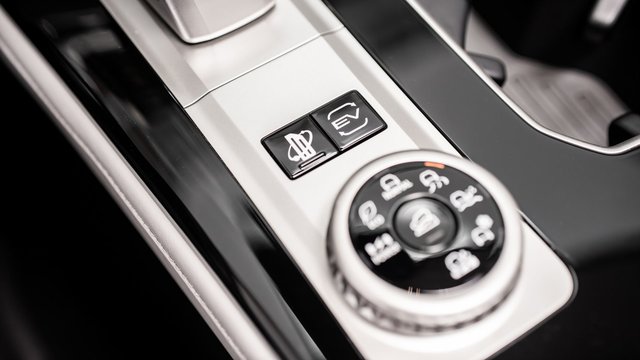
Off-Road Drive Modes and S-AWC: What the Rugged 2027 Mitsubishi Outlander Adds
Gravel roads, cottage laneways, and rain-slicked highways are part of daily life across Ontario. If you’re weighing a...


Thunder Bay Mitsubishi
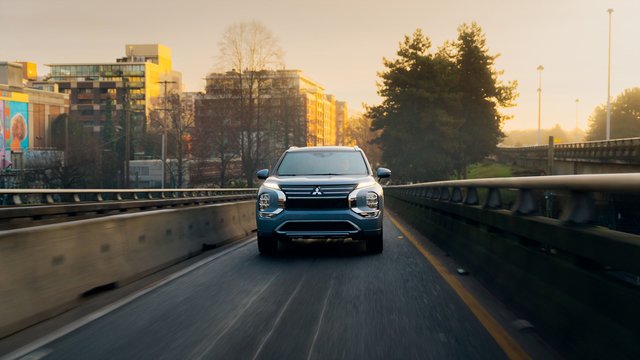
Deciding between a gasoline-powered Outlander and the Outlander PHEV comes down to how you actually drive each week, not what looks best on paper. If you’re cross-shopping the 2027 Outlander in Ontario, the real question is whether your routine includes a plug or just a gas pump. Here’s how each powertrain fits daily commuting, cargo runs, and the occasional longer trip.
The 2027 Outlander lineup offers two distinct ways to get around: a standard gasoline powertrain and the Outlander PHEV, a plug-in hybrid built around electric-only trips close to home. The gasoline version runs on fuel alone, so there’s no plug to think about and no new routine to learn.
The Outlander PHEV adds a battery pack and an electric motor to that same idea. Short trips can run entirely on electricity, and once that charge runs low, the gasoline engine takes over automatically to keep you moving.
The gasoline Outlander works the way most SUVs do: fill the tank, drive, repeat. It’s built for drivers who want predictable range without thinking about charging logistics or cable length.
The Outlander PHEV pairs its gasoline engine with a battery and electric motor. Plug in overnight and the battery covers short commutes and errands on electricity alone. Once the battery runs low, the gasoline engine picks up the slack, so a low charge never leaves you stuck the way it might in a fully electric vehicle.
Around town, in stop-and-go traffic, the Outlander PHEV’s electric motor handles the low-speed grind without the engine running at all, delivering quiet power in exactly that kind of driving.

Ontario driving covers a lot of ground: highway stretches between towns, stop-and-go city traffic, and cottage trips loaded with gear. Each powertrain handles that mix a little differently.
A gasoline Outlander cruises the highway without a second thought and carries cargo and passengers without changing your routine at the pumps. The Outlander PHEV shines closer to home. If your daily driving stays inside its electric-only range and you can plug in overnight, you can go days between fill-ups.
Longer cottage runs or highway-heavy weeks lean on the gasoline engine, just like the standard model does. Public charging stations can fill in on those longer trips, but a home charger is what makes the PHEV’s electric-only range work day to day. Without one, you’re leaning on the gasoline engine more often, which narrows the fuel savings a plug-in hybrid is built to deliver.
|
Powertrain |
Charging Needed |
Daily Best Fit |
|
Gasoline |
None |
Highway-heavy commutes, no home charging access |
|
Outlander PHEV |
Home charging recommended |
Short trips with driveway or garage charging |
Loading either Outlander with passengers and cargo adds work for the engine, whether it burns gasoline alone or shares duty with the electric motor. The PHEV’s battery adds some weight of its own, worth keeping in mind on a fully loaded cottage run.
Drivers who log a lot of highway kilometres, haul cargo often, or simply don’t want another routine to manage tend to land on the gasoline Outlander. It asks nothing extra of you beyond a regular fill-up.
The Outlander PHEV fits households with a driveway or garage where a charger is realistic, and daily driving short enough to stay electric most of the time. It rewards a consistent charging habit rather than an occasional one.
The deciding factors are simple: how far you drive each day, whether you have a plug at home, and how often you’re loading up for a cargo-heavy trip.
Mitsubishi is adding a rugged, off-road-focused Outlander to the lineup in late 2026. It builds on the SUV’s existing foundation rather than introducing a new engine, with off-road-specific bodywork, dedicated drive modes, and unique interior styling.
The biggest change happens underneath. Mitsubishi is taking its Super-All Wheel Control (S-AWC) system, honed through 12 Dakar Rally wins and years in the World Rally Championship, further for genuine off-pavement capability.
For everyday commuters, this trim is an option for weekend adventures, not a change to the gasoline-versus-PHEV decision that governs the rest of the lineup.
The 2027 Outlander’s gasoline and plug-in hybrid powertrains cover most Ontario driving patterns, from steady highway commutes to short electric trips around town, with a rugged off-road version rounding out the lineup in late 2026.
Visit Thunder Bay Mitsubishi in Thunder Bay to sit in both powertrains, compare how each one handles your commute, and ask about the Outlander PHEV’s home charging setup before you decide.
Gravel roads, cottage laneways, and rain-slicked highways are part of daily life across Ontario. If you’re weighing a...
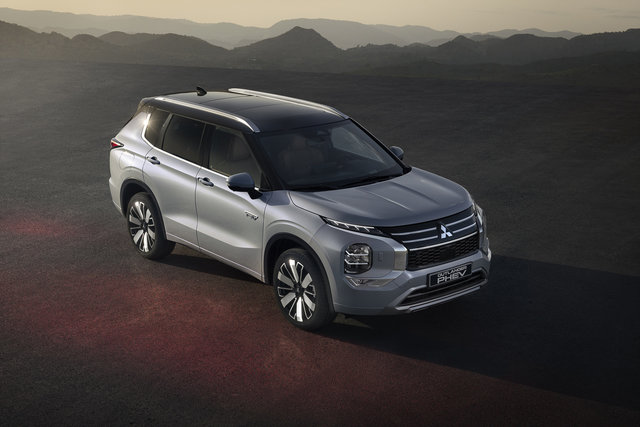
A plug-in hybrid three-row SUV sounds like a commuter vehicle first and a trailer-hauler second. If you’re weighing the...
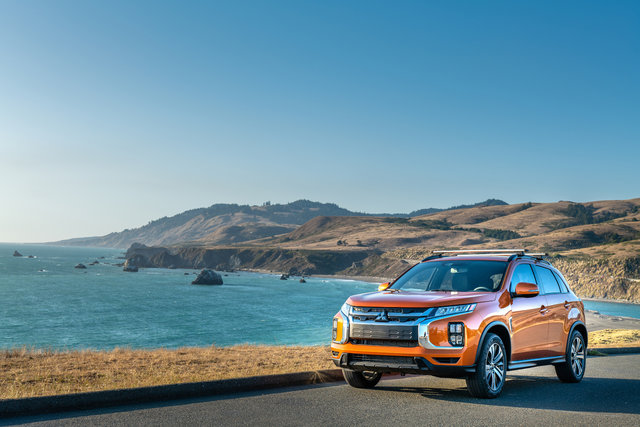
Choosing a subcompact SUV trim often comes down to one question: which safety and convenience systems actually come...