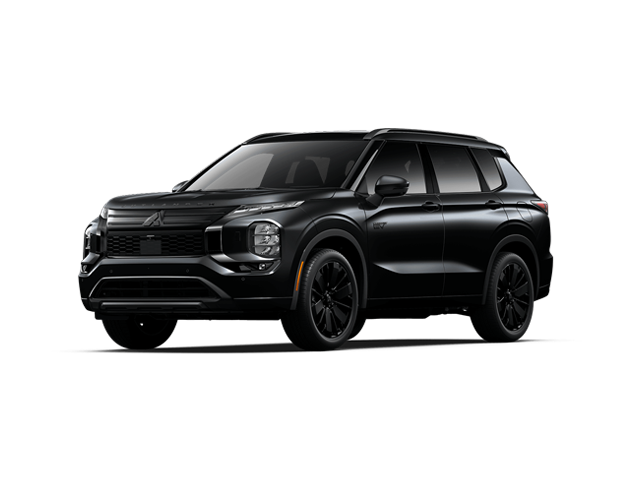
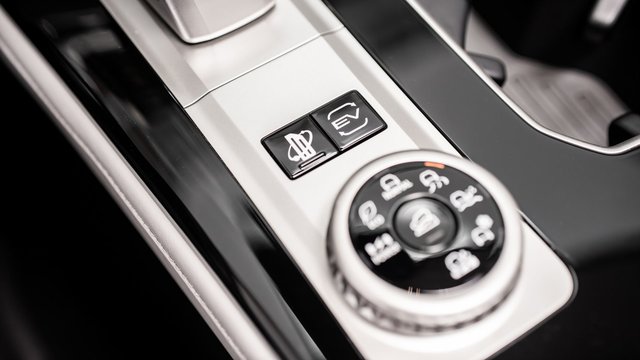
Off-Road Drive Modes and S-AWC: What the Rugged 2027 Mitsubishi Outlander Adds
Gravel roads, cottage laneways, and rain-slicked highways are part of daily life across Ontario. If you’re weighing a...


Thunder Bay Mitsubishi
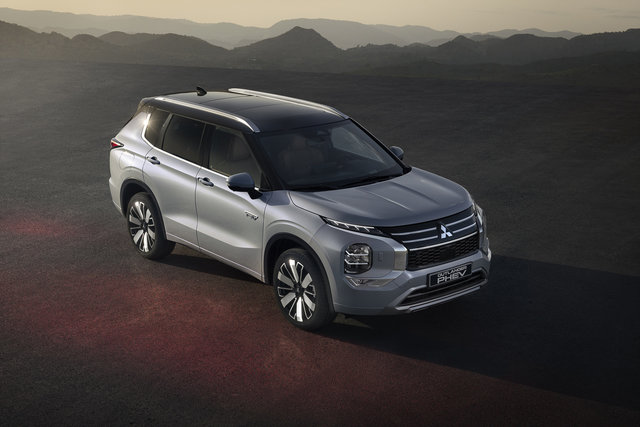
A plug-in hybrid three-row SUV sounds like a commuter vehicle first and a trailer-hauler second. If you’re weighing the 2026 Outlander PHEV against a weekend habit of pulling a utility trailer, small camper, or boat, the real question isn’t whether it can tow. It’s whether the numbers, the seating, and the cargo space still work together once a trailer is hooked up. Here’s a straight answer to the questions Ontario shoppers actually ask.
The Outlander PHEV is rated to tow 1,500 lbs (680 kg). That figure holds across the PHEV lineup, so trim selection isn’t the towing lever some buyers assume it is. Instead, think of 1,500 lbs (680 kg) as the ceiling for the trip itself: a light utility trailer, a small enclosed cargo trailer, jet skis, or a compact pop-up camper generally land well under that number once loaded.
This is not a heavy-duty tow rating, and it isn’t meant to be. It’s built for occasional weekend use, not for hauling a full-size travel trailer or a loaded equipment trailer every week.
Yes. Trailer Stability Assist is included as standard equipment, working alongside Active Stability Control and Traction Control Logic to help keep a light trailer tracking straight if it starts to sway. Adaptive Cruise Control and a Multi View Camera System also carry over from daily driving into towing days, which matters when a trailer blocks the rear view.
None of this turns the Outlander PHEV into a heavy-hauler. It’s driver-assistance support scaled to the kind of light trailer this SUV is rated for.
Every Outlander PHEV runs Mitsubishi’s Super All-Wheel Control (S-AWC) system as standard. Power comes from a 2.4 L four-cylinder engine paired with twin electric motors, one at each axle, for a combined 248 hp in POWER mode and 332 lb-ft of torque split front and rear.
That layout means torque gets sent to whichever wheels have grip, which counts for more when a trailer adds weight behind the rear axle and changes how the vehicle settles into corners or reacts on loose gravel or wet pavement. The single-speed transaxles at front and rear deliver power smoothly rather than hunting for a gear, which keeps low-speed trailer manoeuvring, backing up to a boat launch, easing out of a campsite, predictable.
This is where towing decisions get real for a 7-passenger SUV. The Outlander PHEV seats up to 7 in a 5+2 configuration, but cargo space shrinks fast once that third row is in use: only 362 L remain behind the third row, versus 872 L behind the second row with the third folded flat, and 1,832 L with both rear rows down.
A family towing a trailer full of gear and running all three rows for passengers is working with a fraction of the vehicle’s total cargo capacity. If the trip needs both seven seats and serious gear, the trailer becomes the overflow space, not a bonus. Families who fold the third row for a gear-heavy weekend get almost triple the cargo room instead.

Given the 1,500 lb (680 kg) rating, the Outlander PHEV lines up with small utility trailers, single-jet-ski or single-kayak trailers, teardrop-style compact campers, and light enclosed cargo trailers. It is not sized for a full travel trailer, a car hauler, or anything that pushes toward the upper end of light-duty ratings.
The distinction that matters is occasional versus regular heavy-duty towing. This SUV is built around the first, with the plug-in hybrid drivetrain handling daily commuting on electric power and the trailer duty staying an occasional weekend job.
A few basics apply regardless of trailer size:
These checks take a few minutes and matter more on a lighter-duty tow rating, where there’s less margin for error than on a heavy-duty truck.
If towing is a weekly job, this isn’t the vehicle for it. But for a family that wants electric-only commuting most days and the flexibility to pull a light trailer on weekends, the math works. The plug-in hybrid system handles the daily driving, the S-AWC system and driver-assistance suite back up the occasional trailer trip, and the third-row seating stays available when the trailer isn’t hooked up at all.
The honest framing: this is a family SUV with light-duty towing built in, not a tow vehicle with seating as an afterthought. That balance is the whole appeal for someone shopping this segment in Ontario.
The 2026 Outlander PHEV pairs a 1,500 lb (680 kg) tow rating, standard S-AWC, and 7-passenger flexibility for buyers who tow occasionally rather than constantly. Cargo space, seating configuration, and trailer type all affect whether it fits a specific weekend plan.
Visit Thunder Bay Mitsubishi in Thunder Bay to walk around a 2026 Outlander PHEV, talk through your trailer and cargo needs with the team, and confirm trim availability before you decide.
Gravel roads, cottage laneways, and rain-slicked highways are part of daily life across Ontario. If you’re weighing a...
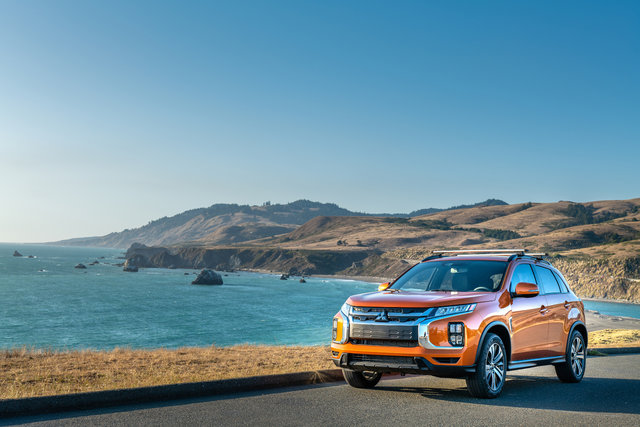
Choosing a subcompact SUV trim often comes down to one question: which safety and convenience systems actually come...
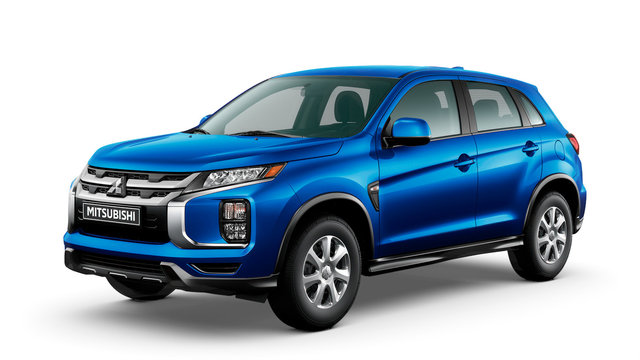
Ontario shoppers cross-shopping the 2026 Mitsubishi RVR often land on the same question: does the ES already cover what...