2026 Mitsubishi RVR: Which Trim Offers the Driver-Assist Technologies You Want?
Choosing a subcompact SUV trim often comes down to one question: which safety and convenience systems actually come...


Thunder Bay Mitsubishi
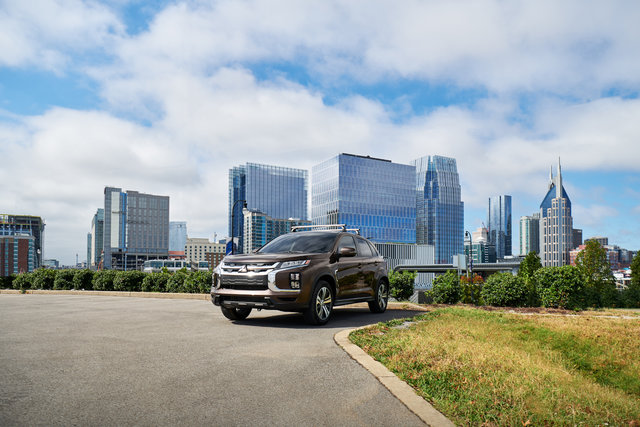
When temperatures plunge below -20°C in Thunder Bay, starting your vehicle shouldn't feel like a gamble. The 2025 Mitsubishi RVR delivers proven engine reliability and cold-weather readiness that Northern Ontario drivers depend on. From its straightforward MIVEC engine design to its rally-bred All-Wheel Control system, the RVR is built to handle the harshest winter conditions without drama.
For families and commuters navigating Thunder Bay's snowy streets and icy highways, the RVR offers dependable performance when it matters most. Its combination of tested engine technology, standard heated features, and intelligent all-wheel drive makes it a practical choice for drivers who need confidence every time they turn the key.
The RVR's engine lineup features two MIVEC (Mitsubishi Innovative Valve-timing Electronic Control) 4-cylinder engines designed for reliable operation in extreme temperatures. The base 2.0 L engine produces 148 horsepower and 145 lb-ft of torque, while the available 2.4 L engine delivers 168 horsepower and 167 lb-ft of torque. Both engines use straightforward DOHC 16-valve designs with multipoint fuel injection—proven technology that minimizes complexity and maximizes cold-weather dependability.
These engines are paired with a Continuously Variable Transmission (CVT) that provides smooth power delivery without the harsh shifts that can occur in traditional automatics during cold-weather operation. The CVT's design helps maintain consistent performance even when temperatures drop, ensuring predictable acceleration on slippery surfaces.
The RVR's fuel system is optimized for regular unleaded gasoline, and the engines meet Tier 3 bin 70 emissions standards while maintaining strong real-world performance in Canadian winters. Unlike turbocharged engines that can experience lag in extreme cold, the naturally aspirated MIVEC engines provide immediate throttle response—important when merging onto Highway 11/17 or navigating Thunder Bay's steep hills in winter conditions.
Mitsubishi's All-Wheel Control (AWC) system gives RVR drivers three distinct modes to match road conditions around Thunder Bay. The system uses a drive mode selector to optimize between fuel efficiency and maximum traction:
2WD Mode keeps the RVR in front-wheel drive for dry highway driving, maximizing fuel economy on clear days when travelling to destinations like Sleeping Giant Provincial Park or along the Trans-Canada Highway.
4WD AUTO Mode provides on-demand all-wheel drive that automatically adjusts torque distribution based on road conditions. This mode balances traction and efficiency, making it ideal for daily commuting in Thunder Bay when conditions vary between cleared roads and snow-covered side streets.
4WD LOCK Mode increases torque applied to the rear wheels for maximum traction on slippery surfaces. This mode is designed for snow-covered roads, icy parking lots, and situations where you need assured grip—like navigating unplowed residential streets after a heavy snowfall or climbing steep driveways.
The AWC system works seamlessly with the RVR's stability control and traction management systems to maintain composure on ice and snow. Unlike basic all-wheel drive systems that only react to wheel slip, AWC actively manages torque distribution to help prevent loss of traction before it happens.
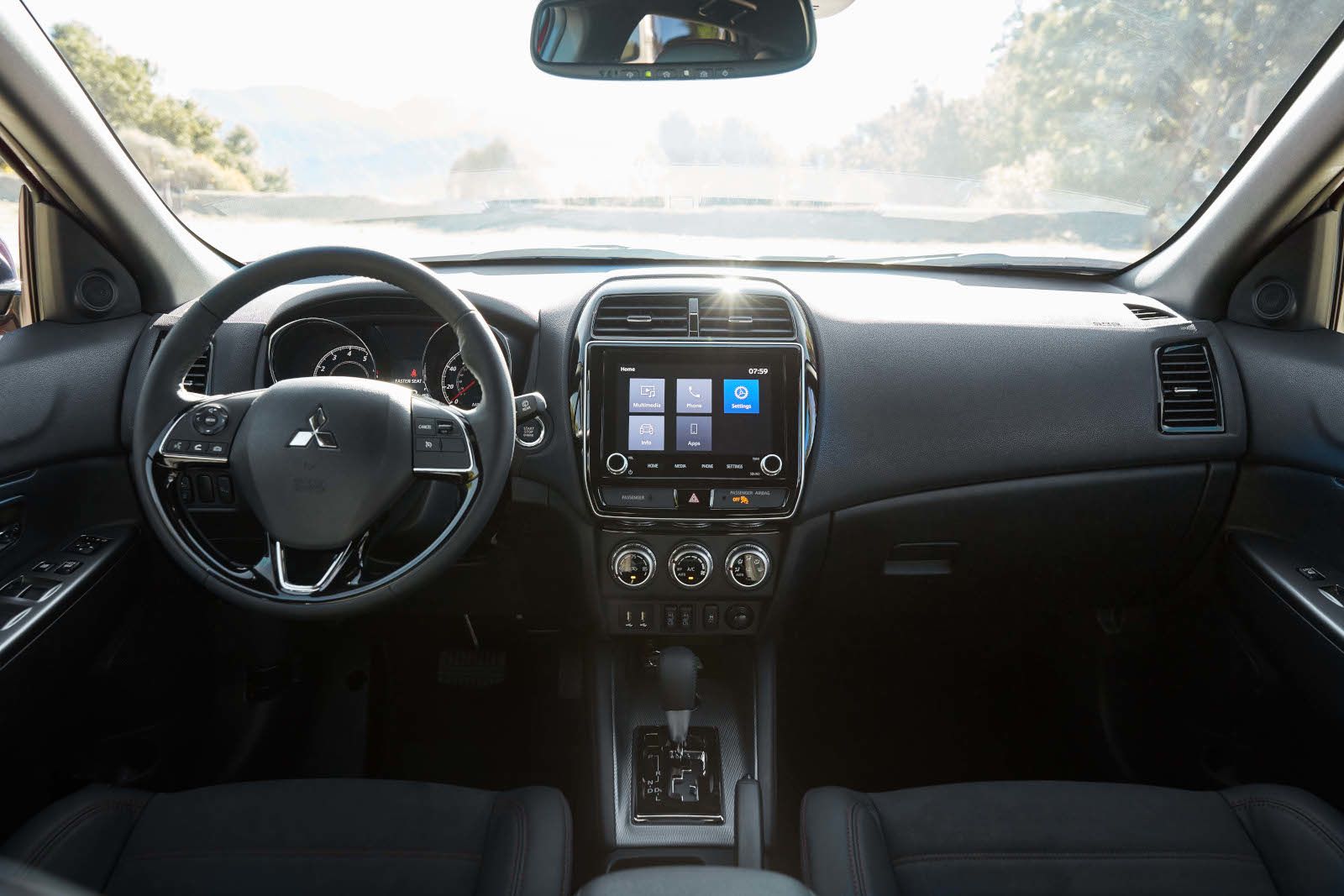
The RVR includes standard heated front seats across all trim levels—a feature that makes every winter morning more comfortable. These seats warm up quickly and use efficient heating elements that draw minimal power, allowing you to stay warm without significantly impacting fuel economy.
Automatic climate control comes standard, maintaining your chosen cabin temperature without constant manual adjustments. The system includes a powerful heater that brings the cabin to comfortable temperatures quickly, even when starting in sub-zero conditions.
Higher trim levels add a heated steering wheel, which provides immediate warmth where your hands need it most during cold-weather driving. The RVR GT AWC also features leather-appointed seats that resist the stiffness some materials develop in extreme cold.
Rain-sensing windshield wipers come standard, automatically adjusting wiper speed to match precipitation intensity—helpful when driving through Thunder Bay's variable winter weather, from light snow to heavy, wet flakes.
The RVR delivers consistent fuel economy figures that remain practical even in cold-weather driving:
These figures are based on Natural Resources Canada's testing methodology and represent real-world efficiency. The RVR's 63-litre fuel tank provides good range between fill-ups, reducing the frequency of winter fuel stops—a practical benefit when temperatures drop below -30°C.
The CVT transmission contributes to the RVR's efficiency by maintaining optimal engine speed across varying driving conditions. In winter driving, this means the engine operates efficiently whether you're idling at a stoplight on Memorial Avenue or cruising at highway speed toward Nipigon.
The RVR's elevated seating position provides better visibility in winter conditions, making it easier to see over snowbanks and monitor road conditions ahead. The higher ride height also helps when navigating snow-covered parking lots or driving through slush.
Cargo capacity measures 569 litres behind the rear seats, with split-folding rear seats that expand storage when needed. The wide liftgate opening makes it easy to load winter gear, groceries, or hockey equipment—even when wearing heavy gloves.
The RVR's compact exterior dimensions (4,365 mm length, 1,810 mm width) make it maneuverable in tight parking situations, while the 2,670 mm wheelbase provides stable handling on slippery roads. Ground clearance helps when driving through deeper snow, and the RVR's weight distribution (60% front, 40% rear) contributes to balanced handling in all-wheel drive mode.
The RVR includes standard safety features designed to help maintain control in challenging conditions:
These systems work together to help maintain vehicle stability on ice and snow. Hill Start Assist is particularly useful in Thunder Bay's hilly terrain, preventing rollback when starting from a stop on slopes—common when navigating streets like High Street or Fort William Road in winter conditions.
Higher trim levels (SE and above) add Blind Spot Warning and Rear Cross Traffic Alert, which help monitor surrounding traffic when visibility is reduced by snow or ice buildup on windows and mirrors.
|
Feature |
Specification |
|
Engines |
2.0 L MIVEC 4-cylinder (148 hp, 145 lb-ft) or 2.4 L MIVEC 4-cylinder (168 hp, 167 lb-ft) |
|
Drivetrain |
FWD (ES only) or AWC with 2WD/4WD AUTO/4WD LOCK modes |
|
Transmission |
Continuously Variable Transmission (CVT) |
|
Fuel Economy (AWC) |
10.0–10.3 L/100 km city, 8.1–8.3 L/100 km highway |
|
Seating Capacity |
5 passengers |
|
Cargo Volume |
569 litres (behind rear seats) |
|
Standard Winter Features |
Heated front seats, automatic climate control, rain-sensing wipers |
|
Warranty |
10-year/160,000 km powertrain, 5-year/100,000 km comprehensive |
The 2025 Mitsubishi RVR offers proven cold-weather reliability for drivers in Thunder Bay and across Northern Ontario. From its straightforward MIVEC engines to its adjustable AWC system and standard heated features, the RVR delivers practical winter capability without unnecessary complexity.
Visit Thunder Bay Mitsubishi to see how the RVR handles the conditions you drive in every day. Our team can walk you through the AWC system's three drive modes, demonstrate the cabin's heated features, and answer questions about winter maintenance and operation specific to Thunder Bay's climate.
Choosing a subcompact SUV trim often comes down to one question: which safety and convenience systems actually come...
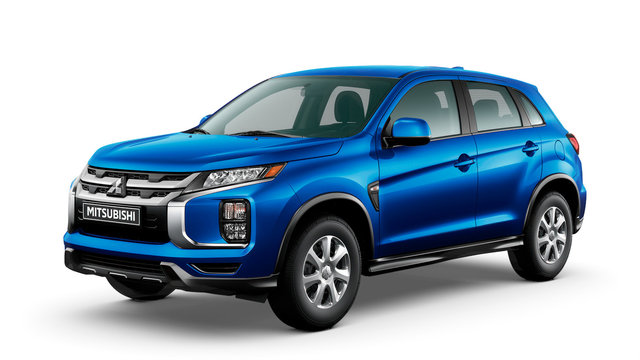
Ontario shoppers cross-shopping the 2026 Mitsubishi RVR often land on the same question: does the ES already cover what...
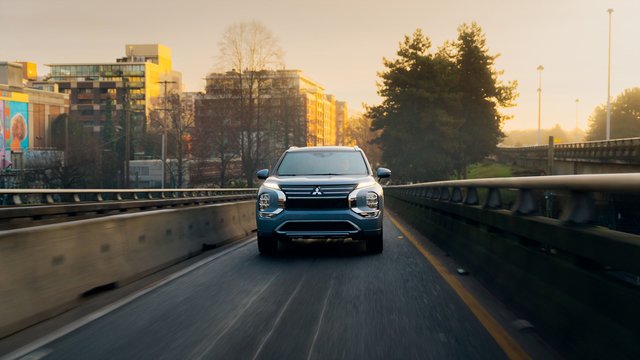
Deciding between a gasoline-powered Outlander and the Outlander PHEV comes down to how you actually drive each week, not...