
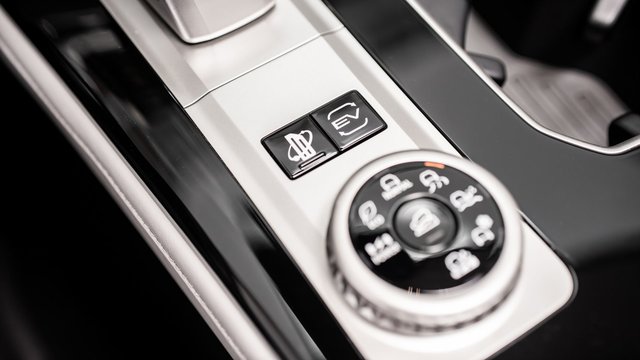
Off-Road Drive Modes and S-AWC: What the Rugged 2027 Mitsubishi Outlander Adds
Gravel roads, cottage laneways, and rain-slicked highways are part of daily life across Ontario. If you’re weighing a...


Thunder Bay Mitsubishi
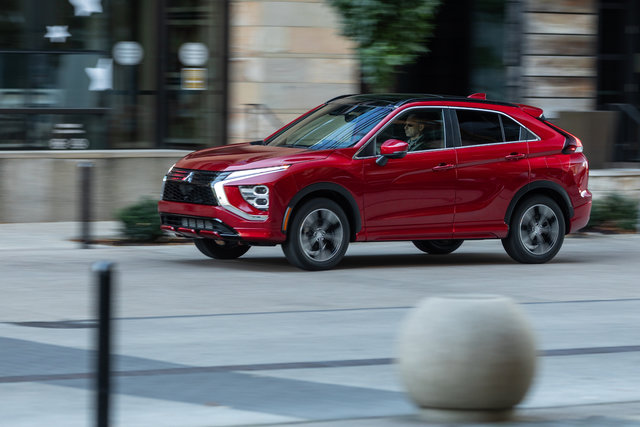
Two Mitsubishi models, two very different answers to the question of what a family vehicle should do. The 2026 Outlander and the 2026 Eclipse Cross share the same legendary S-AWC system and the same core engineering philosophy, but they serve different needs and different buyers. If you are comparing the two before making a decision, the distinctions are clear and worth knowing before you go further.
The short version: the Outlander is the right choice for buyers who need three rows, more cargo depth, and the capacity to move a larger group. The Eclipse Cross is the right choice for buyers who want a nimble, five-passenger crossover that is easier to manoeuvre and fits a tighter daily routine. This guide sets them side by side so you can see exactly where each one excels.
|
Specification |
2026 Outlander |
2026 Eclipse Cross |
|---|---|---|
|
Seating Capacity |
7 passengers |
5 passengers |
|
Engine |
1.5L turbo 4-cyl, mild-hybrid |
1.5L turbo 4-cyl |
|
Horsepower |
174 hp @ 5,000 RPM |
152 hp @ 5,500 RPM |
|
Torque |
206 lb-ft @ 3,000-4,000 RPM |
184 lb-ft @ 2,000-3,500 RPM |
|
Cargo (seats up) |
308 L (behind 3rd row) |
663 L (behind rear seats, ES/SE) |
|
Cargo (max) |
1,822 L |
1,419 L (ES/SE) |
|
Towing Capacity |
2,000 lbs (907 kg) |
2,000 lbs (907 kg) w/ 2 occupants |
|
AWD System |
S-AWC, standard all trims |
S-AWC, standard all trims |
|
Fuel Economy (combined) |
8.7 L/100 km |
9.3 L/100 km |
|
Trims Available |
ES, SE, LE, SEL, GT |
ES, SE, NOIR, GT |
|
48V Mild-Hybrid |
Yes |
No |

The Outlander's defining advantage is the third row of seating for up to seven passengers. That extra row is not a compromise afterthought; the Outlander's three-row interior uses a 40/20/40 split-folding, sliding 2nd row seat alongside a fold-flat 3rd row to give families maximum flexibility. Carpools, extended family road trips, kids of different ages who need their own space: the Outlander handles all of it where the Eclipse Cross simply cannot.
When all seven seats are in use, the Outlander offers 308 L of cargo space behind the 3rd row. Fold that row flat and you have 866 L. Fold both rows and you reach 1,822 L. That maximum figure is 403 L more than the Eclipse Cross's maximum cargo space of 1,419 L. For buyers who frequently carry both people and gear, that 22% capacity advantage matters on every trip.
The 2026 Outlander uses a 1.5L turbocharged engine with a 48V Belt-driven Starter Generator (BSG) mild-hybrid system, producing 174 hp and 206 lb-ft of torque. The BSG adds an electrified torque boost during acceleration, contributing to a combined fuel economy rating of 8.7 L/100 km, better than the Eclipse Cross's 9.3 L/100 km combined despite the Outlander being a larger, heavier vehicle. The mild-hybrid system also includes Auto Start-Stop, which shuts the engine off at a complete stop to reduce idle fuel consumption.
The Eclipse Cross uses the same 1.5L turbo block without hybrid assistance, rated at 152 hp and 184 lb-ft of torque.
With five trims from ES to GT, the Outlander offers more configuration flexibility. The LE adds embedded navigation, the SEL adds ventilated front seats, heated 2nd row, and 3-zone climate control, and the GT upgrades to the 12-speaker Dynamic Sound Yamaha Ultimate audio system. The Eclipse Cross tops out at four trims, with a narrower path to the upper cabin features.
Both vehicles use Mitsubishi's Super All-Wheel Control (S-AWC) system, which continuously distributes torque between all four wheels. Both also offer selectable drive modes to adapt handling and traction to road conditions. The Outlander's larger platform with front MacPherson strut and rear multi-link suspension is tuned for stability under load; the Eclipse Cross, with a shorter 2,670 mm wheelbase versus the Outlander's 2,705 mm, handles more nimbly in tighter environments.
Drivers who prioritize urban agility over outright passenger and cargo capacity will find the Eclipse Cross delivers on that front. For a larger footprint with the third row, the Outlander's ride is composed and its size is well-managed.
The Outlander is the stronger choice for:
The Eclipse Cross is a practical match for:
Both vehicles include the same class-leading warranty coverage: 5-year/100,000 km basic, 10-year/160,000 km powertrain, and 5-year/unlimited km roadside assistance.
The team at Thunder Bay Mitsubishi can walk you through both models in person and help you identify which one fits your situation. Stop in to explore the 2026 Outlander and the 2026 Eclipse Cross side by side.
Gravel roads, cottage laneways, and rain-slicked highways are part of daily life across Ontario. If you’re weighing a...
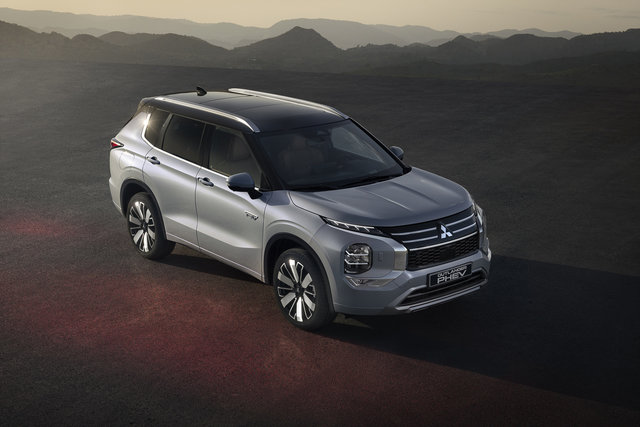
A plug-in hybrid three-row SUV sounds like a commuter vehicle first and a trailer-hauler second. If you’re weighing the...
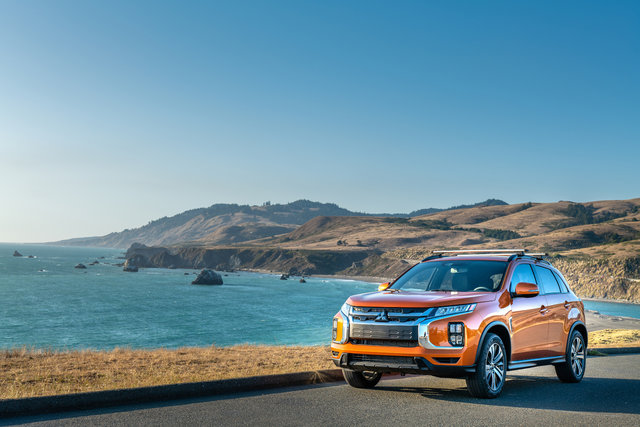
Choosing a subcompact SUV trim often comes down to one question: which safety and convenience systems actually come...