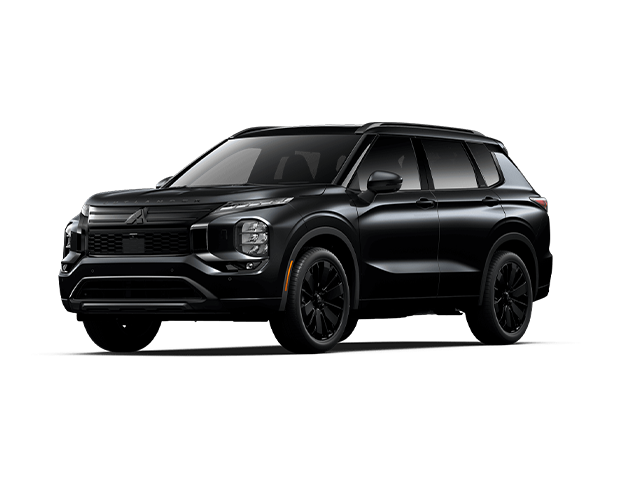
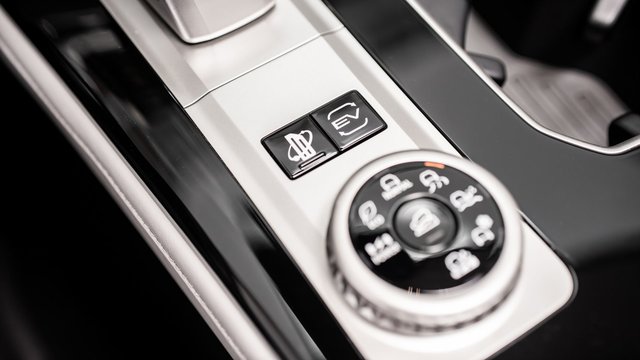
Off-Road Drive Modes and S-AWC: What the Rugged 2027 Mitsubishi Outlander Adds
Gravel roads, cottage laneways, and rain-slicked highways are part of daily life across Ontario. If you’re weighing a...


Thunder Bay Mitsubishi
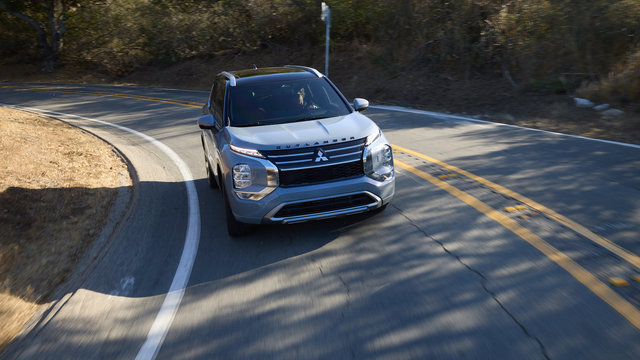
The 2026 Mitsubishi Outlander arrives with a significant powertrain shift: a new 1.5-litre turbocharged four-cylinder engine paired with a hybridized system. This replaces the outgoing 2.5-litre naturally aspirated engine and introduces a smarter approach to power delivery and fuel efficiency for drivers navigating the vast distances and variable conditions across Northern Ontario.
For families and professionals in Thunder Bay and surrounding communities, this updated powertrain addresses real-world needs: responsive acceleration for highway merging, improved torque for winter driving, and better fuel economy for long-distance travel. The new system delivers increased torque and drivability thanks to electrified torque aiding off-the-line acceleration, making it a practical choice for the demands of Northern Ontario roads.
The 1.5-litre turbocharged engine paired with hybrid assistance delivers stronger low-end torque compared to the previous 2.5-litre naturally aspirated unit. This translates to quicker throttle response from a standstill—critical when accelerating onto Highway 11/17 or navigating icy intersections during winter months.
Turbocharged engines generate peak torque at lower engine speeds, and the added electric motor support provides instant torque delivery before the turbocharger fully spools. This combination eliminates the lag often associated with smaller turbocharged engines, offering confident acceleration in cold-weather conditions when engine warm-up can delay power delivery in conventional powertrains.
For drivers regularly travelling between Thunder Bay and communities like Nipigon, Geraldton, or Marathon, this low-end punch improves passing confidence on two-lane highways and reduces the need for aggressive downshifts when climbing grades.
Northern Ontario driving involves sustained highway speeds over hundreds of kilometres. The 2026 Outlander's new powertrain is engineered for improved efficiency during steady-state cruising—exactly the type of driving that defines routes like the Trans-Canada Highway corridor.
The hybridized system allows the gasoline engine to operate in its most efficient range more consistently, with the electric motor assisting during acceleration and recapturing energy during deceleration. This reduces fuel consumption compared to a larger, non-hybrid engine that must work harder to maintain highway speeds.
The Eclipse Cross—which uses the same 1.5-litre turbocharged engine without hybrid assistance—achieves 9.3 L/100 km combined. The addition of hybrid technology is expected to improve efficiency further, reducing fuel costs for drivers covering the long distances typical of Northern Ontario travel.
Key Efficiency Advantages:
Mitsubishi's 1.5-litre turbocharged engine has been in service across the Eclipse Cross lineup for several model years, demonstrating durability in Canadian climates. Turbocharged engines have evolved significantly in recent years, with modern direct-injection systems and advanced thermal management ensuring reliable performance in extreme cold.
The engine's design includes features that support cold-weather operation, such as improved oil circulation and faster warm-up times compared to larger displacement engines. This reduces wear during cold starts—a critical factor for vehicles operated in Northern Ontario's sub-zero winter temperatures.
The addition of hybrid components introduces a secondary power source that reduces strain on the gasoline engine during high-demand situations, potentially extending engine longevity. The electric motor assists during acceleration, reducing the need for the turbocharger to operate at maximum boost as frequently.

Modern hybrid architecture allows engineers to optimize weight distribution through strategic placement of the battery pack and electric motor. The 2026 Outlander's hybrid system is designed to maintain balanced front-to-rear weight distribution, which improves handling characteristics on winding roads and during emergency manoeuvres.
For drivers navigating Highway 17 along the Lake Superior shoreline or rural routes with frequent curves, improved balance translates to more predictable steering response and better stability in crosswinds. The hybrid system's lower centre of gravity—achieved through underbody battery placement—also benefits handling dynamics during cornering and lane changes.
The hybrid system's electric motor provides instant torque delivery independent of engine speed, which enhances traction control effectiveness on snow and ice. When paired with Mitsubishi's Super All-Wheel Control (S-AWC) system—standard on all Outlander trims—the powertrain can respond more precisely to wheel slip events.
Unlike purely mechanical systems, the electric motor can modulate torque delivery in milliseconds, allowing the all-wheel-drive system to distribute power more effectively across all four wheels. This improves confidence when accelerating on snow-covered roads, navigating unploughed parking lots, or climbing icy inclines.
The hybridized powertrain also supports smoother power delivery during low-speed manoeuvring, reducing the likelihood of abrupt throttle inputs that can break traction on slippery surfaces. This is particularly useful for drivers navigating Thunder Bay's winter streets or rural driveways after heavy snowfall.
The 2026 Outlander's new powertrain reduces emissions compared to larger displacement engines, aligning with evolving environmental standards while maintaining the capability Northern Ontario drivers require. The hybrid system allows the gasoline engine to shut off during coasting or light-load conditions, eliminating tailpipe emissions during those periods.
This approach delivers environmental benefits without the range anxiety or charging infrastructure requirements associated with fully electric vehicles—a practical consideration for drivers in communities with limited public charging access.
The powertrain still provides the towing capacity and cargo versatility expected from a three-row SUV, ensuring drivers can haul gear for recreational activities, transport equipment for work, or tow small trailers without compromise.
As fuel prices fluctuate and emissions regulations tighten, the 2026 Outlander's turbocharged hybrid powertrain positions drivers ahead of these trends. Hybrid technology extends the viability of gasoline-powered vehicles while offering better efficiency than traditional internal combustion engines.
For drivers planning to keep their vehicle for several years, this powertrain provides a hedge against rising fuel costs and potential future restrictions on less efficient vehicles. The technology is proven, widely supported by Mitsubishi's service network, and requires no changes to refuelling habits or infrastructure access.
The 2026 Outlander's updated powertrain represents a practical evolution rather than a radical departure, offering improved performance and efficiency without the compromises associated with fully electric or plug-in hybrid systems. For Northern Ontario drivers who cover significant distances and face demanding conditions, this balance of capability and efficiency makes sense.
The 2026 Mitsubishi Outlander's new turbocharged hybrid powertrain delivers the torque, efficiency, and reliability Northern Ontario drivers need. Book your test drive at Thunder Bay Mitsubishi to experience how this updated powertrain performs on the roads you drive every day.
Gravel roads, cottage laneways, and rain-slicked highways are part of daily life across Ontario. If you’re weighing a...
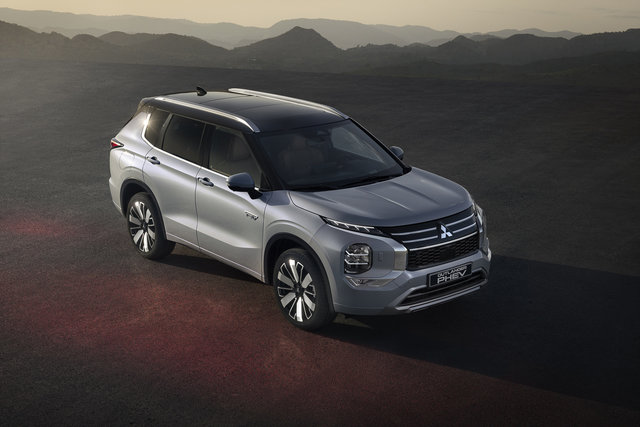
A plug-in hybrid three-row SUV sounds like a commuter vehicle first and a trailer-hauler second. If you’re weighing the...
Choosing a subcompact SUV trim often comes down to one question: which safety and convenience systems actually come...